Our programs

OSA works through four key programs: group formation, savings and income generating activities, primary education, and training, workshops and seminars. All four serve the poor of Narsingdi district.

30Years of workEstablished July 1995
5UpazilasRaipura, Shibpur, Palash, Monohordi, Belabo
50UnionsAcross Narsingdi district
65VillagesRural communities in Narsingdi
12ProjectsDocumented since 1998, several ongoing
Program 01

Group Formation

Who this program serves

Landless families, families with only homestead land, and smallholders without the capital to cultivate.

Women standing in a line at a community event
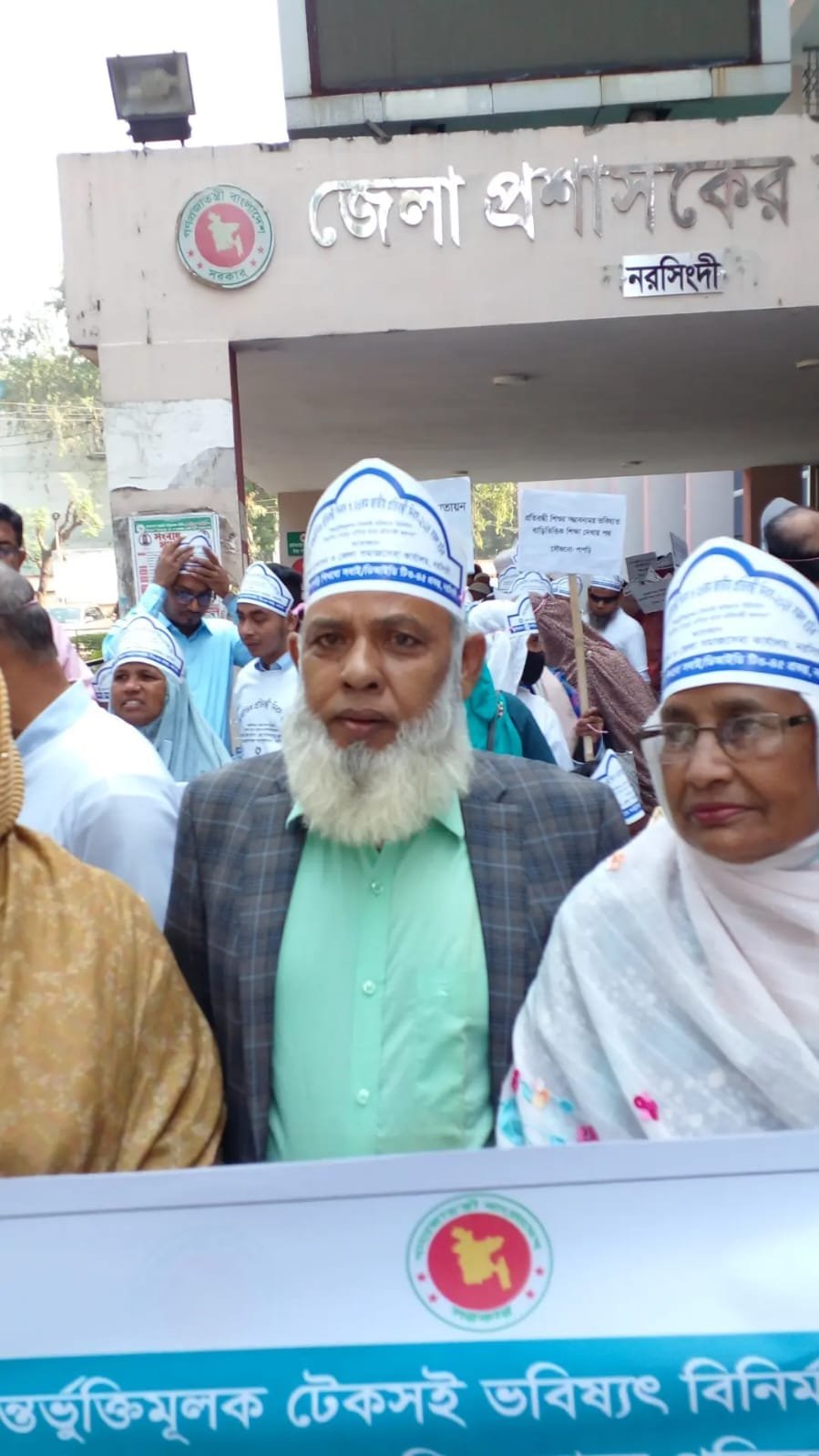
Group photo of men in white caps at an event entrance
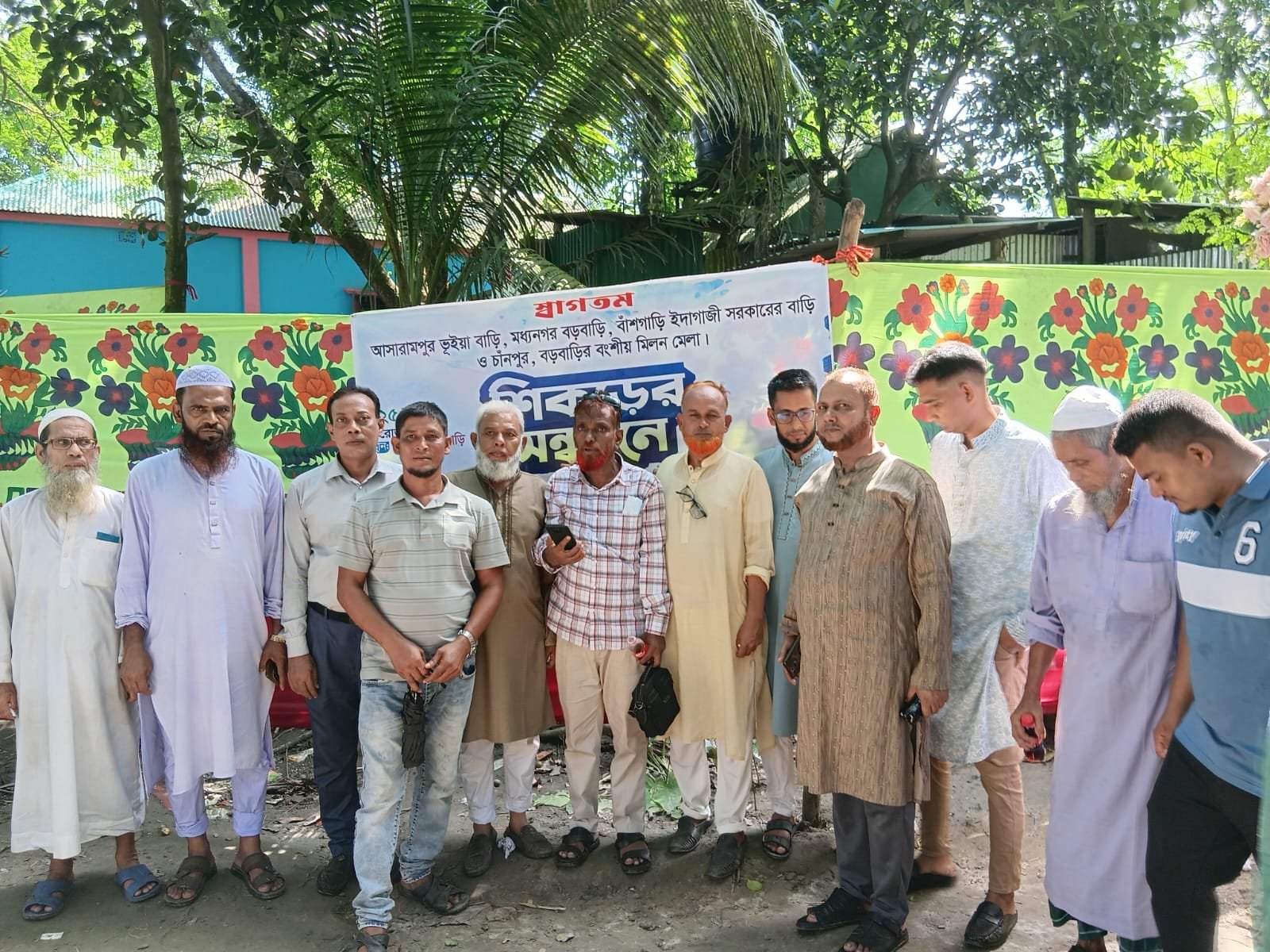
Group of rural men standing together
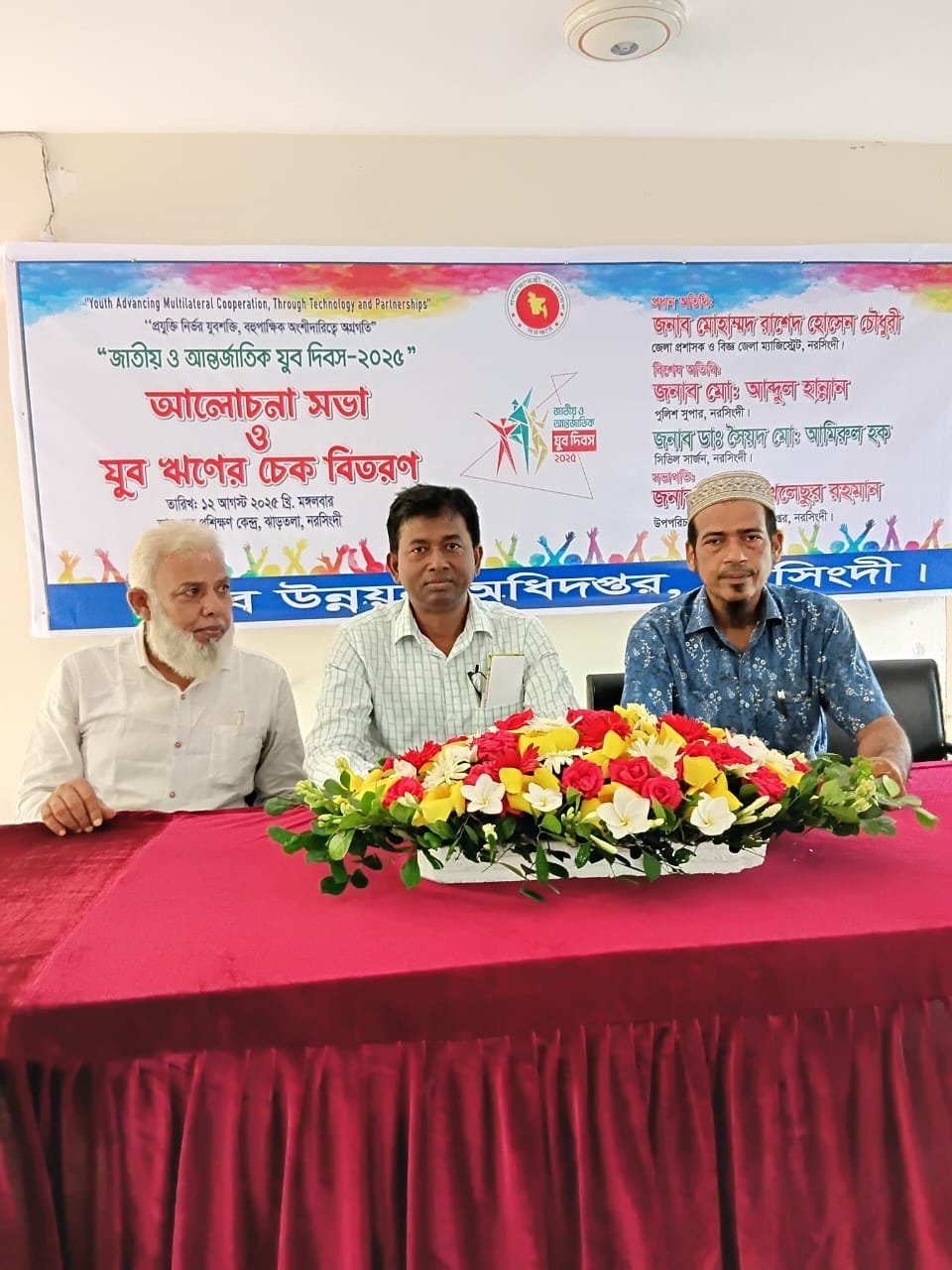
Awareness meeting under a tent with a panel seated at a table

How it works

Group formation is the first of OSA's four key programs and the base for everything else the organization does. Staff and volunteers organize target families into groups, and each group builds its own capital through the individual savings of its members. The groups are also the channel for OSA's awareness work, from campaigns against child marriage and the trafficking of women and children to legal aid for destitute and oppressed families. OSA works this way across the five upazilas of Narsingdi district: Raipura, Shibpur, Palash, Monohordi and Belabo.

What this includes

Organizing Target Families

Forming groups among landless families, families with only homestead land, and smallholders who cannot cultivate for lack of capital.

Group Savings

Each group creates its own capital through the individual savings of its members.

Legal Aid

Legal aid for the destitute, oppressed, landless and socially embarrassed and victim families.

Awareness Campaigns

Ongoing awareness work against child marriage and the trafficking of women and children.

Program 02

Savings & Income Generating Activities

Who this program serves

Group members: landless families, homestead-only families, and owners of small or mortgaged plots who lack the capital to cultivate them.

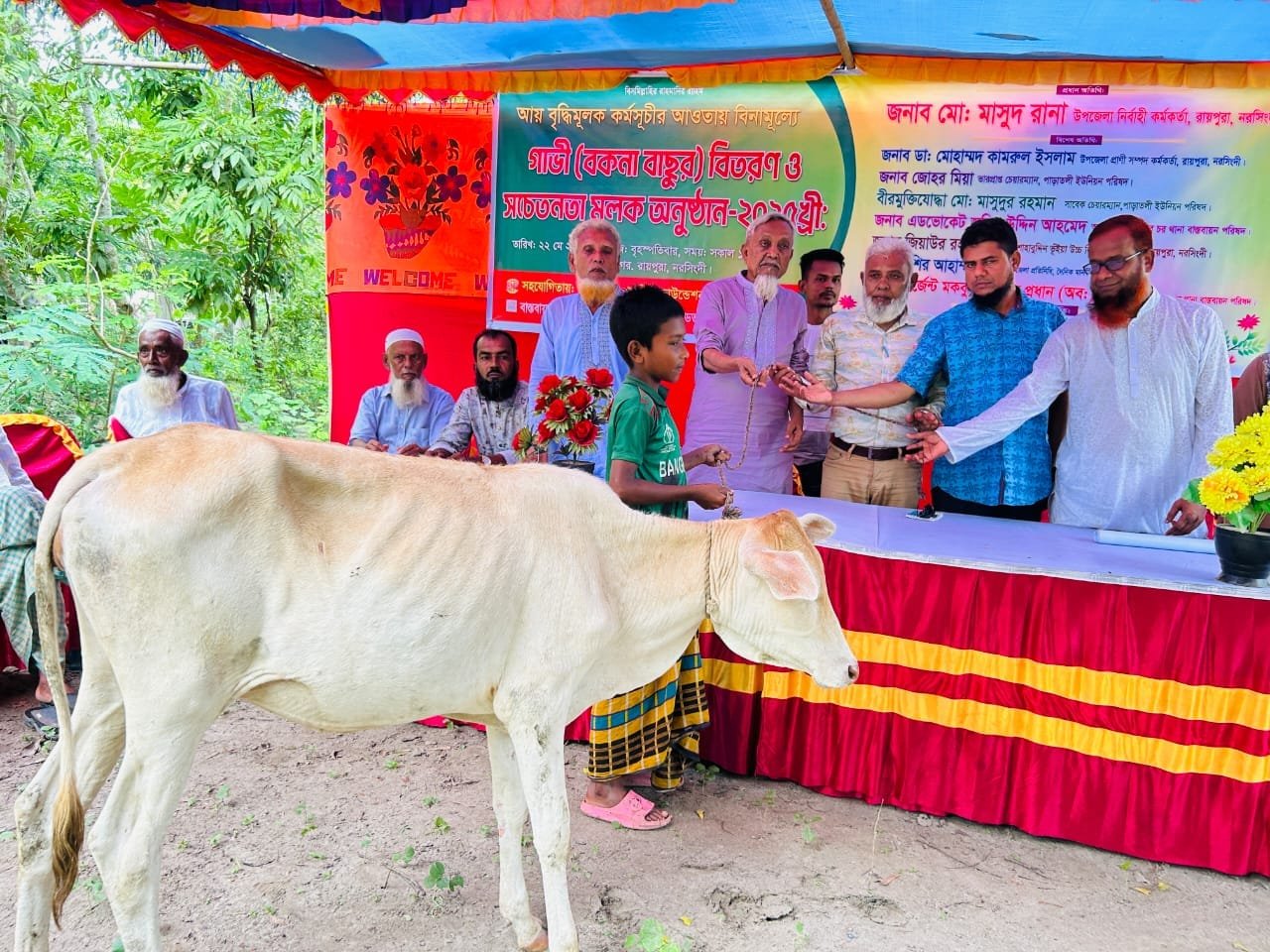
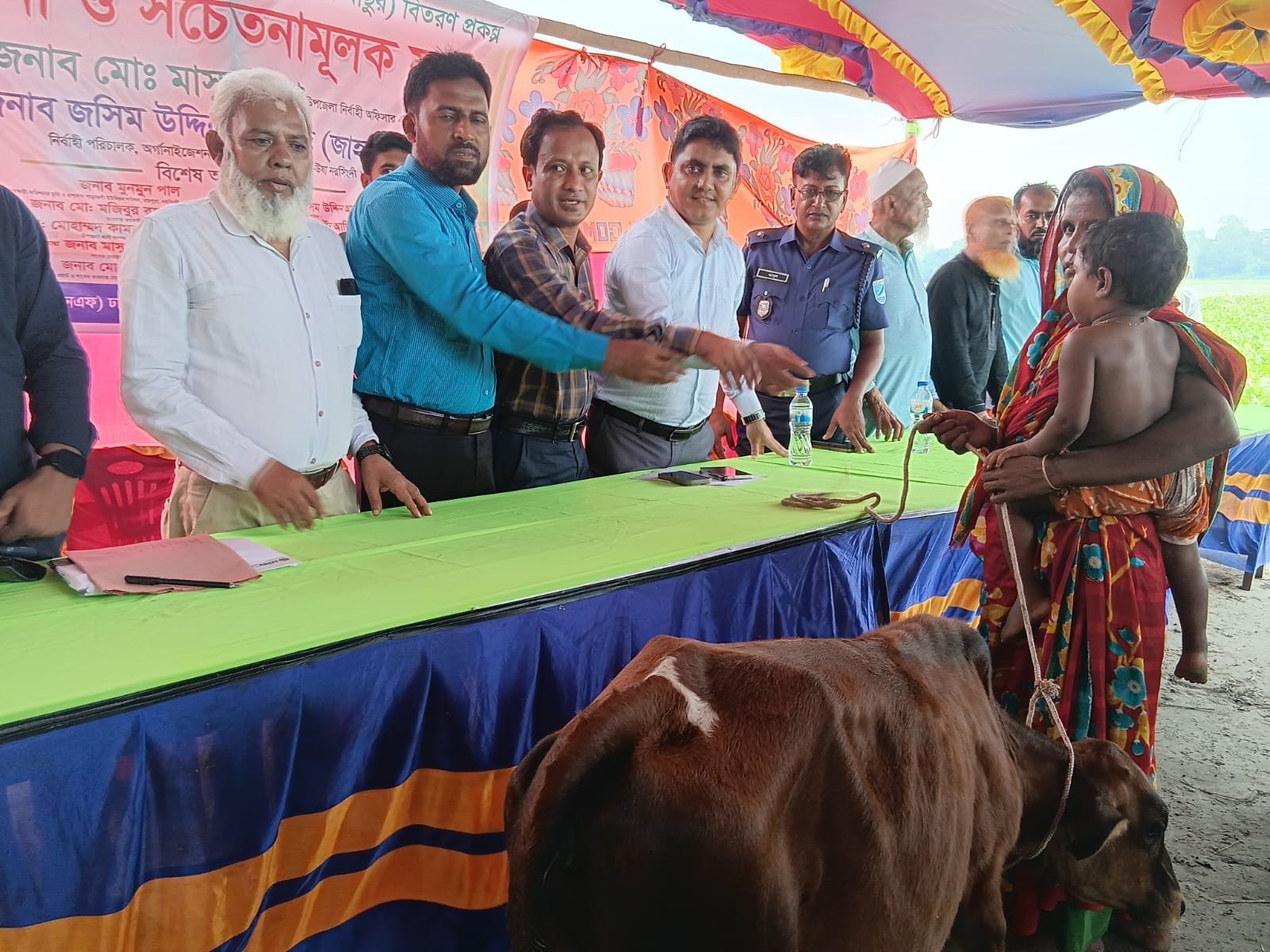
Cow distribution ceremony on a decorated stage, officials handing a cow to a family
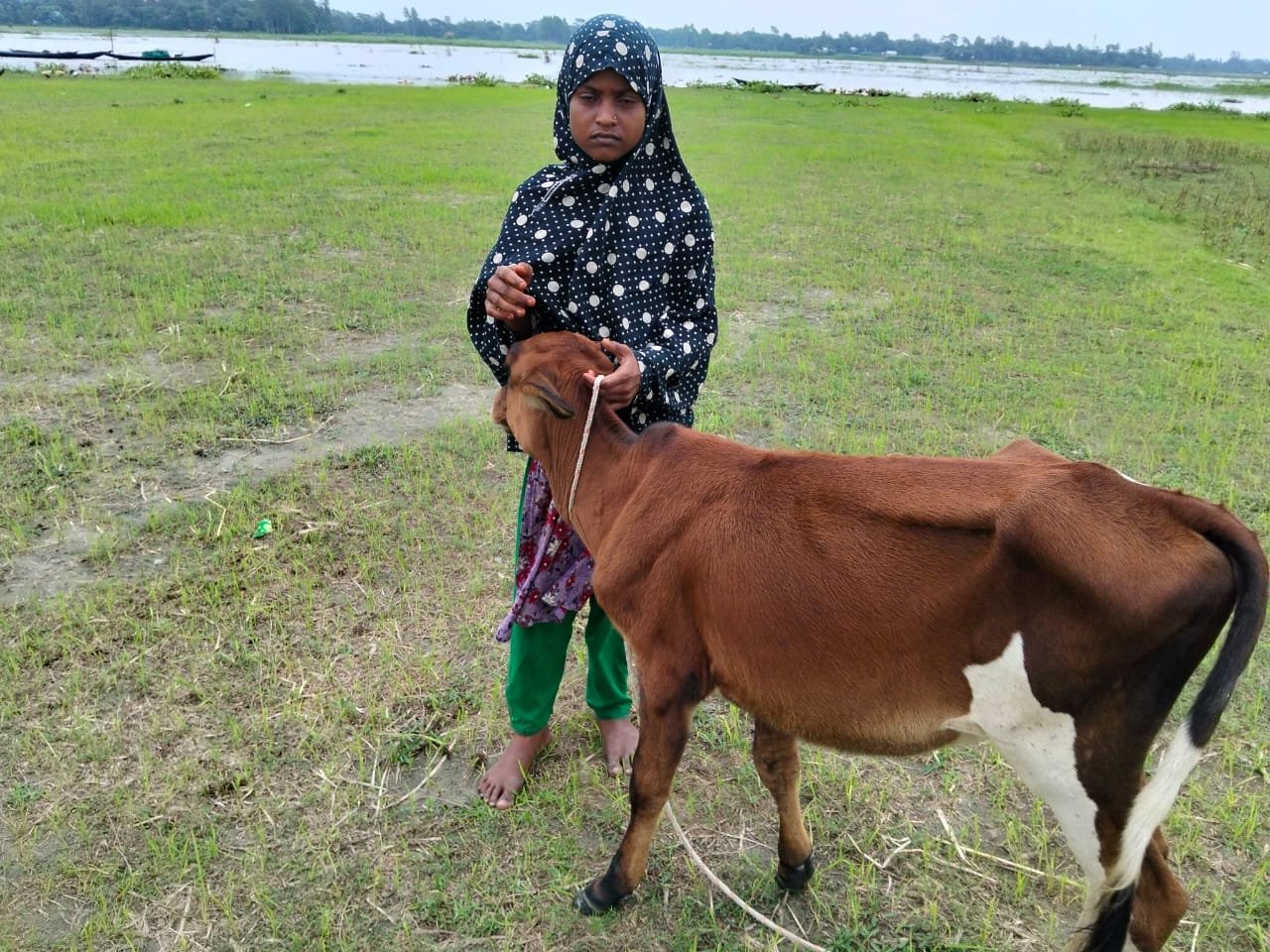
Woman in a headscarf with a cow in a field
Cow distribution handover to a woman beneficiary
Older man with a brown cow in a field, a child behind him

How it works

Savings and income generating activities turn the group into an economic base for its members. OSA provides credit facilities to group members for taking up entrepreneurial activities, promotes appropriate technology and inputs in agriculture among farmers, and promotes marketing facilities so that agricultural products fetch an appropriate price. The purpose, as OSA's objectives put it, is the creation of employment opportunities and of facilities for women's employment by the side of men.

What this includes

Credit for Group Members

Credit facilities for group members to take up entrepreneurial activities of their own.

Employment Creation

Creation of employment opportunities, with facilities for women's employment by the side of men.

Agricultural Technology

Promotion of appropriate technology and inputs in agriculture among farmers.

Market Access

Promotion of marketing facilities so that agricultural products fetch an appropriate price.

Program 03

Primary Education

Who this program serves

Villagers in OSA's working area, with priority to the poor and underprivileged.
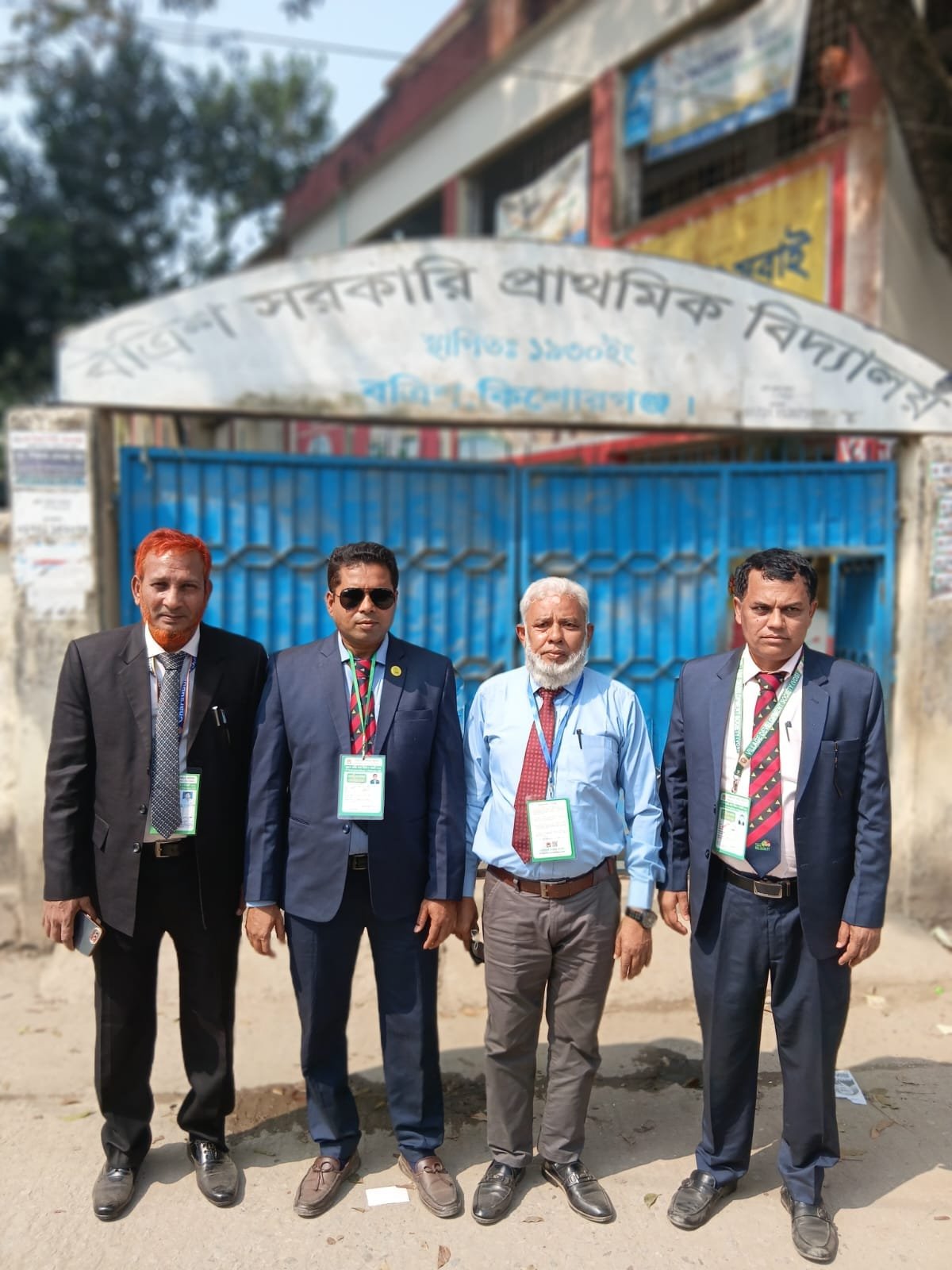
Four officials standing in front of a school gate

How it works

Education is written into OSA's objectives: creating awareness among villagers about the importance of education, and eliminating illiteracy by organizing literacy programs. OSA has run two education projects: PLCEHD-1, a mass education project, from 2003, and ESP, a non-formal education project, from 2005 to 2007. The Department of Non-Formal Education is among OSA's partner organizations, and OSA is a member of the Campaign for Popular Education (CAMPE).

What this includes

Literacy Programs

Creating awareness among villagers about the importance of education and working to eliminate illiteracy.

Mass Education

The PLCEHD-1 mass education project, started in 2003.

Non-Formal Education

The ESP non-formal education project, run from 2005 to 2007. The Department of Non-Formal Education is one of OSA's partner organizations.

Education Networks

OSA is a member of the Campaign for Popular Education (CAMPE), Bangladesh's national education coalition.
Program 04

Training, Workshops & Seminars

Who this program serves

OSA's target group families and villagers across Raipura, Shibpur, Palash, Monohordi and Belabo.

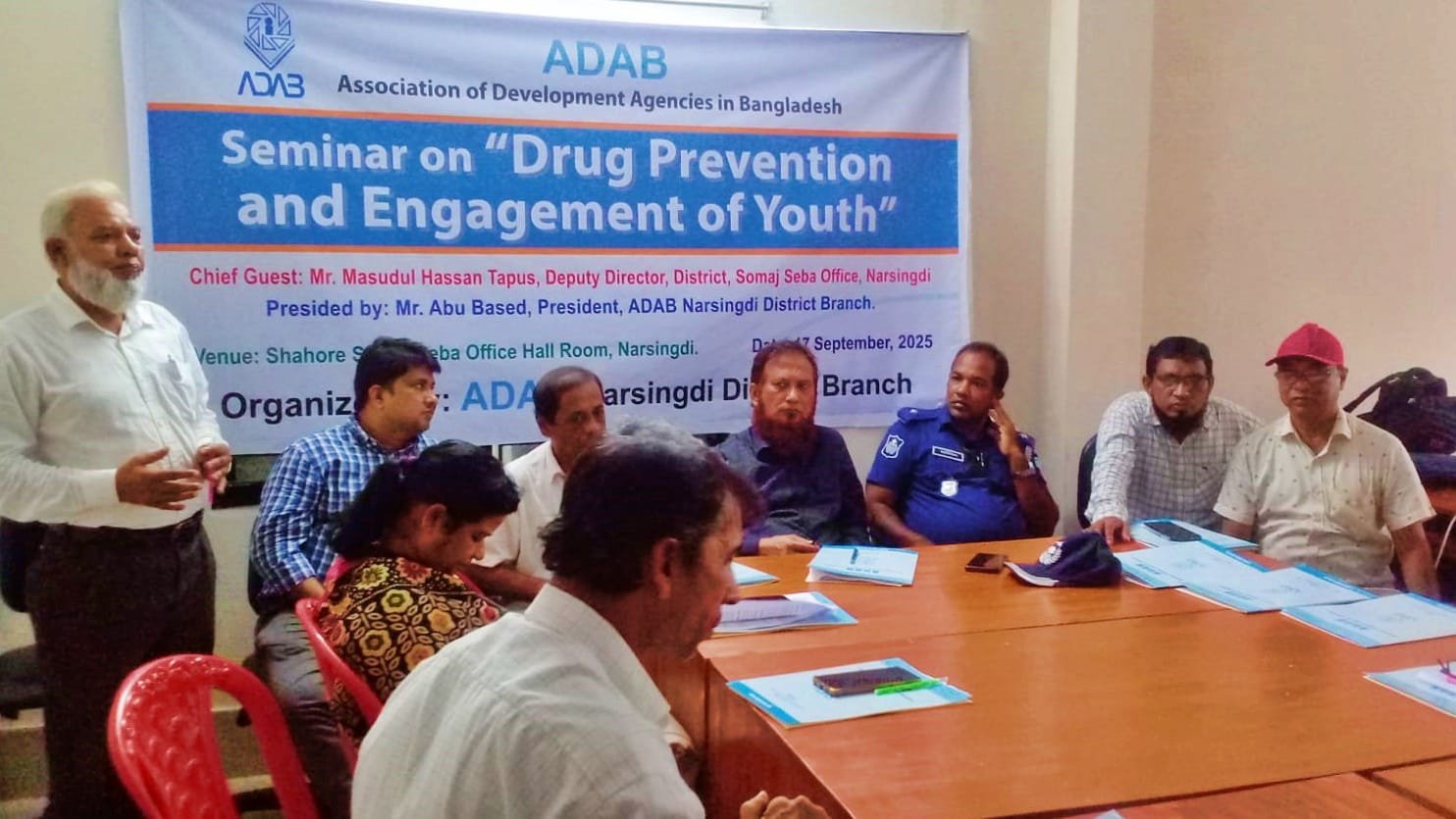
Audience at an ADAB seminar on drug prevention
Panel at an ADAB seminar on drug prevention and engagement of youth
Indoor seminar with two men seated at a table
Man speaking at a podium with a government seal

How it works

The fourth of OSA's key programs is training, workshop and seminar work. Its purpose, in OSA's objectives, is to develop human resources by organizing training, seminars, workshops and campaigns. The longest-running piece is OSA's Training Program in ICT and development, which started in 1998 and continues today. The same methods carried the Save Migration for Bangladeshi Workers project from 2014 to 2017, which reached aspiring migrant workers through courtyard meetings, workshops, miking and video shows, and the Arsenic Mitigation Project from 2004 to 2010, which worked through courtyard meetings, workshops and rallies.

What this includes

Human Resource Development

Training, seminars, workshops and campaigns to develop human resources, one of OSA's stated objectives.

ICT & Development Training

OSA's Training Program in ICT and development has run since 1998 and continues today.

Safe Migration Awareness

The Save Migration for Bangladeshi Workers project, 2014 to 2017: courtyard meetings, workshops, miking and video shows.

Arsenic Awareness

The Arsenic Mitigation Project, 2004 to 2010: courtyard meetings, workshops and rallies.

How the work fits together

From forming a group to standing with its most vulnerable members, this is the path OSA's programs follow.

1

Group Formation

OSA forms groups among its target families: landless families, families with only a homestead, owners of small or mortgaged land who cannot cultivate it, and socially and physically handicapped people.

  • Identification of landless and marginal families
  • Formation of groups among target families
  • Regular group meetings and collective decision making
2

Awareness and Education

Groups receive awareness education on literacy, health, family planning, mother and child care, water and sanitation, and the health services available from government and other sources.

  • Literacy programs to eliminate illiteracy
  • Health, family planning and sanitation awareness
  • Awareness against child marriage and trafficking of women and children
3

Training and Human Resource Development

OSA develops human resources by organizing training, seminars, workshops and campaigns, including ICT and development training which has run since 1998.

  • Training, workshops, seminars and campaigns
  • ICT and development training, running since 1998
  • Promotion of appropriate technology and inputs in agriculture
4

Savings, Credit and Income Generation

Group members create capital through their own individual savings, and OSA provides credit facilities to group members for taking up entrepreneurial activities.

  • Capital creation through individual members' savings
  • Credit facilities for entrepreneurial activities
  • Employment opportunities for women alongside men
5

Protection and Support

OSA provides legal aid to the destitute, oppressed, landless and victim families, creates development opportunities for the handicapped, and takes up relief and rehabilitation during natural disasters.

  • Legal aid to destitute, oppressed and victim families
  • Development opportunities for the handicapped
  • Relief and rehabilitation during natural disasters

Who the programs serve

OSA's organizational profile names five target groups. Every program is built around them.

Landless Families

Families that own no land of their own.

Families With Only Homestead Land

Families whose only land is the plot their home stands on.

Owners of Uncultivable or Mortgaged Land

Families owning up to one acre of land that is either not cultivable or mortgaged to others.

Smallholders Without Capital

Owners of small pieces of land who cannot cultivate them because they have no capital.

Socially & Physically Handicapped People

Providing opportunities for the development of the handicapped is one of OSA's stated objectives, and its Disability Development Programme has distributed materials since 2003.

Support OSA's work in Narsingdi

OSA has worked with the rural poor of Narsingdi district since 1995. Get in touch to learn how you can help.

Registered with the Department of Social Services (NA-0139, 1996) and the Department of Youth Development (S-12/N-37, 2000). Accounts audited annually by government approved chartered accountant firms.